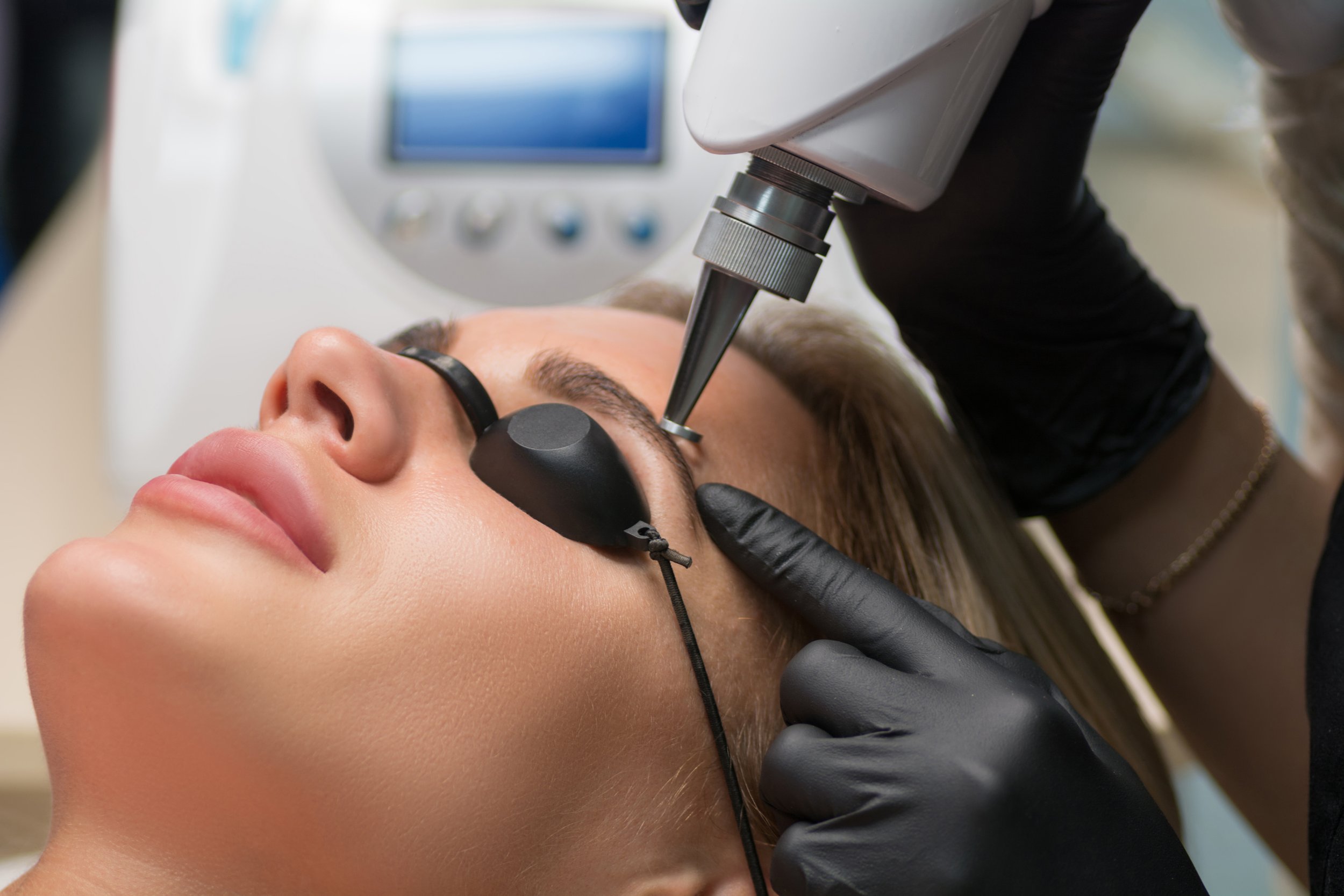
At SLC Laser Permanent Makeup Removal, we understand that you don’t take lightly putting a laser to your face. Below are a list of FAQ’s to help answer your questions.
Knowledge is Power. Read below for an in-depth look at what to expect with Laser Tattoo Removal.
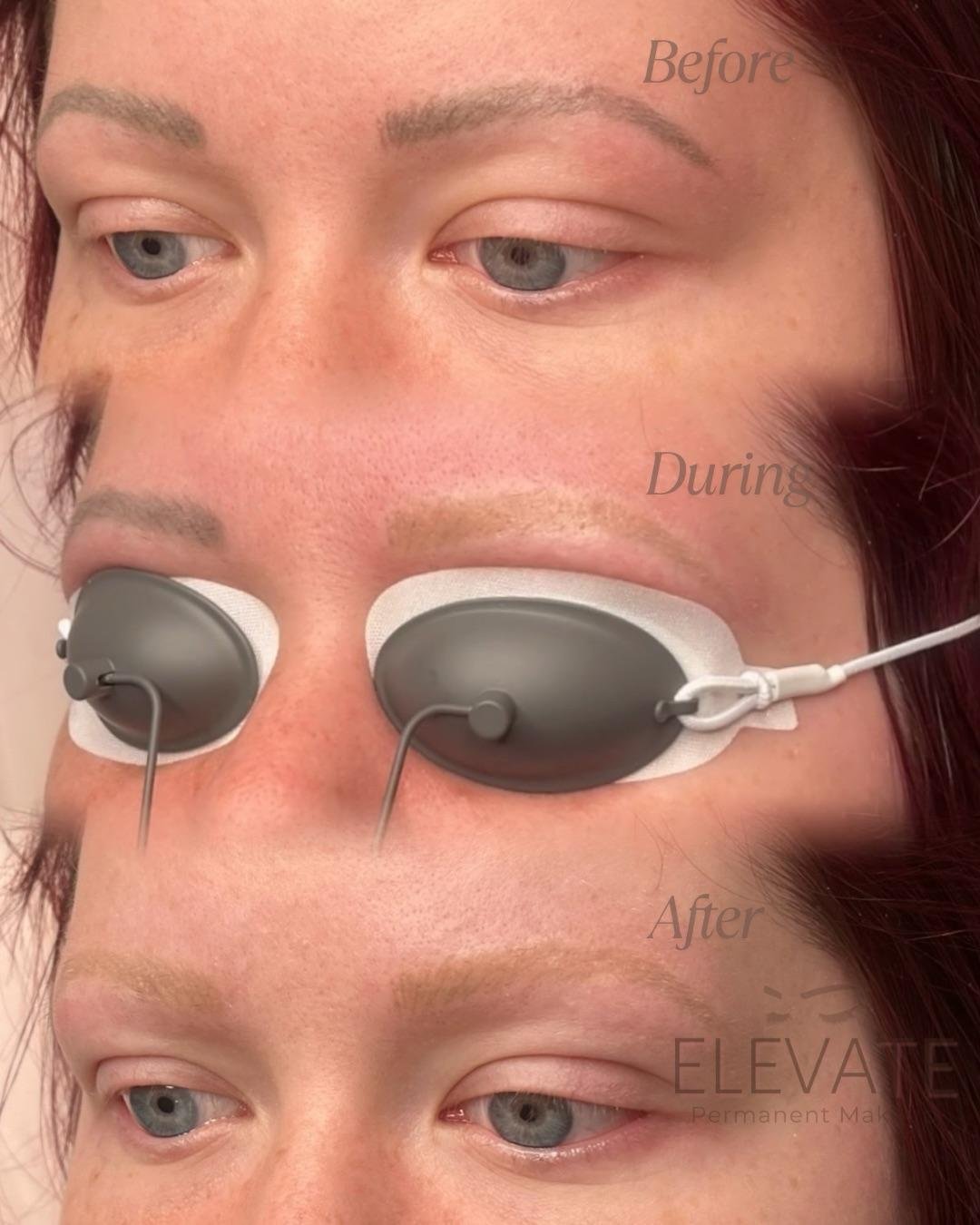
For more detailed information on why permanent makeup can turn different colors during laser removal click here.
Laser Removal FAQ’s
-
How does laser removal work?
Laser tattoo removal uses targeted light energy to break down pigment particles within the skin. The laser emits specific wavelengths of light that are absorbed by the tattoo pigment while minimizing impact on the surrounding tissue.
When the pigment absorbs this energy, it fragments into smaller particles. Over time, your body’s natural immune system gradually clears these particles through normal metabolic processes, leading to progressive fading of the tattoo.
Permanent makeup removal requires a more specialized approach than body tattoo removal, as cosmetic pigments often contain ingredients such as iron oxide, organic colorants, or titanium dioxide that can respond differently to laser treatment. Because of this, each treatment is carefully adjusted based on pigment type, color, and how the skin responds.
Results occur gradually over a series of sessions, with spacing of 6-8 weeks between treatments to allow the body time to safely process and remove the fragmented pigment.
-
Laser removal is often described as feeling similar to a quick snapping sensation against the skin, comparable to a rubber band. Most clients find the treatment very tolerable, especially because sessions are brief. Highly sensitive clients are advised to pre-numb prior to their appointment. Topical numbing is available on Amazon, 5% lidocaine is recommended.
For most areas, topical numbing is not required. Ice is typically applied prior to treatment to provide a mild numbing effect and increase comfort during the procedure.
For more sensitive areas such as the lips and eyeliner, a topical lidocaine anesthetic is used to ensure a more comfortable experience.
Treatments are very quick, with most sessions lasting approximately 2–8 minutes depending on the size and area being treated.
-
The number of sessions required varies for each client and depends on several important factors.
Pigment type and layering:
The type of pigment used and how many times the area has been tattooed play a significant role. Brows or lips that have been touched up repeatedly over time often contain multiple layers of pigment, which typically require more sessions to fully break down.Depth of pigment placement:
Pigment that sits more superficially in the skin generally responds more quickly, while deeper or more saturated pigment may take longer to fade.Your desired outcome:
Treatment plans differ depending on your goal. Clients seeking full removal will require more sessions to address all remaining pigment. In some cases, once pigment reaches a yellow stage, additional methods such as saline or glycolic removal may be recommended to further improve results. Clients preparing for correction or re-treatment may only need partial fading, which typically requires fewer sessions.Individual healing response:
After laser treatment, the body clears fragmented pigment through the immune and lymphatic systems. Each person’s natural ability to process and remove pigment can influence how quickly results are seen.Because these variables differ from person to person, the exact number of sessions cannot be guaranteed in advance. Treatment is approached progressively, with adjustments made based on how the pigment responds at each stage.
-
Laser tattoo removal requires minimal downtime, but proper aftercare is essential to support healing and reduce the risk of irritation, pigmentation changes, or scarring.
Most clients can return to normal daily activities immediately after treatment, with a few temporary precautions.
What to expect after treatment
The treated area will begin the healing process right away, with most visible healing occurring over the first 5–7 days.
Common and normal responses may include:
temporary redness (erythema)
mild swelling or raised skin
“frosting” (a white, cloudy appearance immediately after treatment)
light pinpoint bleeding
itching or sensitivity
occasional bruising or blistering
These responses are expected and part of the normal healing process.
Healing timeline and care
First 24 hours:
Avoid touching the treated area to reduce the risk of infection
Keep the area clean and dry
Avoid workouts, heat, steam, or hot showers
Days 3–7:
The skin may begin to form a light micro-scab or appear dry and flaky
Do not pick, scratch, or exfoliate the area
After 1 week:
Most surface healing is complete
Makeup can typically be resumed if the skin is intact
Important aftercare guidelines
Do not pick or disturb the treated area at any stage of healing
Avoid sun exposure and keep the area protected for at least one week
Use sunscreen consistently throughout your treatment series
Follow all aftercare instructions provided for your specific treatment area
Blistering can occasionally occur and is not typically a cause for concern. Allow the area to heal naturally without interference to reduce the risk of scarring.
-
Laser tattoo removal is generally safe when performed correctly, but as with any skin treatment, there are potential side effects. Most are temporary and resolve as the skin heals.
Common and expected side effects
Discomfort
Mild to moderate discomfort may be felt during treatment, often described as a quick snapping sensation against the skin. Sensitivity can vary depending on the treatment area.Redness and swelling
Temporary redness and swelling are common and typically subside within 2–5 days. Applying ice can help reduce inflammation and improve comfort.Purpura (bruising)
The treated area may appear bruised or take on a grey or purple tone following treatment. This is temporary and usually resolves within 5–7 days.Blistering or scabbing
Blisters or light scabbing can occur and are part of the normal healing process. These typically resolve within 7–14 days. It is important not to pick or disturb the area to reduce the risk of scarring.Pigment-related changes
Hypopigmentation or hyperpigmentation
Temporary lightening or darkening of the skin may occur following treatment. These changes are usually temporary but can be influenced by sun exposure, making proper sun protection essential throughout the treatment process.Less common risks
Infection
Although uncommon, infection can occur if the treated area is not properly cared for. Signs may include increased pain, swelling, warmth, oozing, or fever. Medical treatment, including topical or oral antibiotics, may be required if infection develops.Scarring
Scarring is rare but possible anytime the skin is disrupted. Following aftercare instructions, avoiding picking, and monitoring for infection significantly reduces this risk.Incomplete removal or pigment persistence
Complete removal is not always guaranteed. Some pigments, particularly cosmetic tattoo pigments, may respond unpredictably or only partially fade. Test spots and careful treatment planning help reduce this risk.Allergic reaction
In rare cases, breaking down tattoo pigment can release substances that trigger a localized or systemic allergic reaction. This risk may be higher in individuals who experienced a reaction when the tattoo was originally applied.Why this version works better
Organized into clear categories (expected vs less common)
Uses accurate but client-friendly language
Maintains transparency without sounding alarming
Reinforces your professionalism and clinical awareness
Every treatment is approached carefully, with settings and techniques adjusted to minimize risk and support safe, predictable healing.
-
Laser tattoo removal is safe for most clients when performed appropriately, but certain conditions and medications may increase the risk of side effects or affect healing. A full consultation is always required to determine if treatment is appropriate.
Skin condition and recent sun exposure
Tanned or sun-exposed skin
Laser treatment should not be performed on recently tanned or artificially tanned skin. Increased melanin can absorb more laser energy, raising the risk of burns, irritation, or pigmentation changes.Pregnancy and breastfeeding
Although there is no strong evidence showing harm from laser treatments during pregnancy or breastfeeding, treatment is typically deferred as a precaution. Hormonal changes may also affect how the skin heals and how pigment responds.
Medications
Photosensitizing medications
Certain medications can increase sensitivity to light, raising the risk of adverse skin reactions during laser treatment.Blood-thinning medications
Medications such as aspirin, ibuprofen, and some prescription blood thinners may increase bruising and should be discussed prior to treatment.Isotretinoin (Accutane)
Clients should be off isotretinoin for at least 6 months before receiving laser treatment due to its effects on skin healing.Skin and healing concerns
History of keloid scarring
Clients prone to keloid formation may have an increased risk of abnormal scarring and should be evaluated carefully before treatment.Active skin conditions
Areas with open wounds, infections, inflammation, or conditions such as eczema or dermatitis should not be treated until fully healed.Herpes simplex (cold sores)
Laser treatment in areas prone to cold sores may trigger a flare-up. Preventative medication may be recommended prior to treatment.Immune and systemic conditions
Active infections or immunosuppression
Conditions that affect the immune or lymphatic system may impair healing and increase the risk of complications.Healing disorders
Conditions such as uncontrolled diabetes, connective tissue disorders (e.g., lupus), or recent radiation or chemotherapy may impact the skin’s ability to heal and should be evaluated prior to treatment.Other considerations
Allergy to tattoo pigment
In rare cases, breaking down tattoo pigment can trigger an allergic reaction. This risk may be higher in individuals who had a reaction when the tattoo was originally applied.Photosensitive epilepsy
Laser treatment is not recommended for individuals with photosensitive epilepsy.Cancer or treatment in the area
If there is a history of cancer or active treatment in the area, medical clearance may be required prior to proceeding.Every client is assessed individually, and treatment decisions are based on safety, medical history, and how the skin is expected to respond.
-
A minimum of 8-10 weeks is required between laser removal sessions and before redoing permanent makeup. This allows the skin sufficient time to heal and for the body to process and clear fragmented pigment.
In many cases, additional time may be recommended depending on how the skin responds, the condition of the tissue, and how much pigment remains. Ensuring the skin is fully healed helps support better retention, color accuracy, and overall results with new permanent makeup.
During your consultation, we will guide you on the ideal timing based on your individual healing and long-term goals.
-
An in-person consultation is not required prior to scheduling treatment. However, in accordance with state regulations, medical clearance must be obtained from our on-staff medical director before your first session.
After booking, our team will contact you to schedule a brief medical clearance call, which typically lasts 2–5 minutes. This evaluation is focused solely on reviewing your health history, medications, and any factors that may affect treatment safety.
To help streamline the process, we recommend having a current list of medications and supplements available during the call.
-
Learn more about how permanent makeup pigments respond to laser treatment, why color changes occur, and what options are available for safe and effective removal.
Explore In-Depth Topics:
Why Does Permanent Makeup Turn Yellow, Red, or Black?
Understand how pigment composition, including iron oxide, organic pigments, and titanium dioxide, can affect color changes during removal.Pico vs. Q-Switched Nd:YAG Laser Technology
Learn the difference between laser technologies used in tattoo removal and how each interacts with cosmetic and body tattoo pigments.What Other Removal Methods Are Used — and When?
Explore when alternative methods such as saline, glycolic removal, or microneedling may be recommended for resistant or complex pigment cases.Permanent Brow Removal Deep Dive-
A detailed look at how brow pigments behave during removal, including common color changes, treatment approaches, and correction strategies.
Permanent Eyeliner Removal Deep Dive
Learn how eyeliner pigment is safely treated in the delicate eye area and what to expect throughout the removal process.Permanent Lip Blush Removal Deep Dive
Explore how lip pigments respond to laser treatment, including challenges with certain colors and approaches to safe correction.Laser Tattoo Removal Deep Dive
Understand how laser technology works for body tattoos, how different ink colors respond, and what influences the removal process.
