
SLC Laser PMU Removal - serving Salt Lake City
Permanent makeup removal methods include laser, saline, glycolic, and microneedling techniques used at different stages of pigment removal.
Alternative Permanent Makeup Removal Methods: When and Why They’re Used
Permanent makeup removal is not always a one-size-fits-all process. While laser technology is often the most effective starting point, certain pigments and skin conditions require a more advanced, multi-method approach.
At SLC Laser PMU & Tattoo Removal, we specialize in combining laser with alternative removal methods to safely and effectively treat even the most complex pigment cases. This includes resistant colors such as yellow, titanium dioxide, and pigment that has shifted or “flipped” during previous treatments.
Our approach is based on one principle:
Use the right method at the right stage of removal to achieve the best possible outcome.
Why Multiple Removal Methods Matter
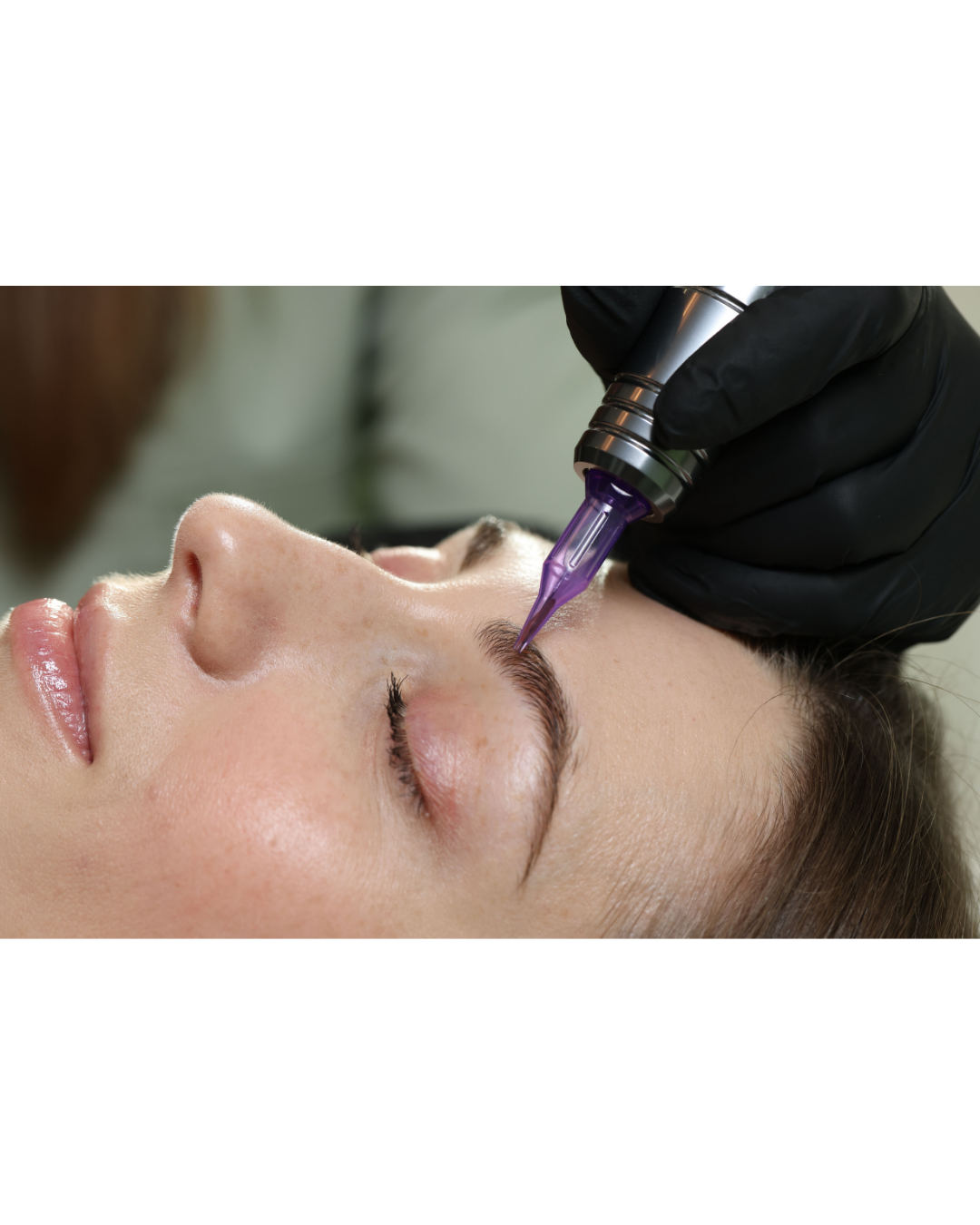
Cosmetic tattoo pigments behave very differently from body tattoo ink. Ingredients such as iron oxide, organic pigments, and titanium dioxide can respond unpredictably to laser treatment.
While laser is highly effective at breaking down many pigments, some colors may:
resist laser treatment
change color during removal
remain in the skin after multiple sessions
This is where alternative methods become essential.
Saline Removal
Saline removal is a non-laser technique used to lift pigment from the skin through a controlled process.
When saline removal is used:
for certain cosmetic pigments that do not respond well to laser
for residual pigment after laser sessions
for delicate correction work
for emergency removal within 24–48 hours of a fresh tattoo
Saline is particularly helpful when pigment needs to be gradually lifted rather than fragmented.
Glycolic Removal
Glycolic removal is another advanced method used to target resistant pigment that remains after laser treatment.
When glycolic removal is used:
when pigment has reached a yellow stage
when titanium dioxide is present
when laser response has plateaued
for further refinement before correction
This method can help continue the removal process when laser alone is no longer effective.
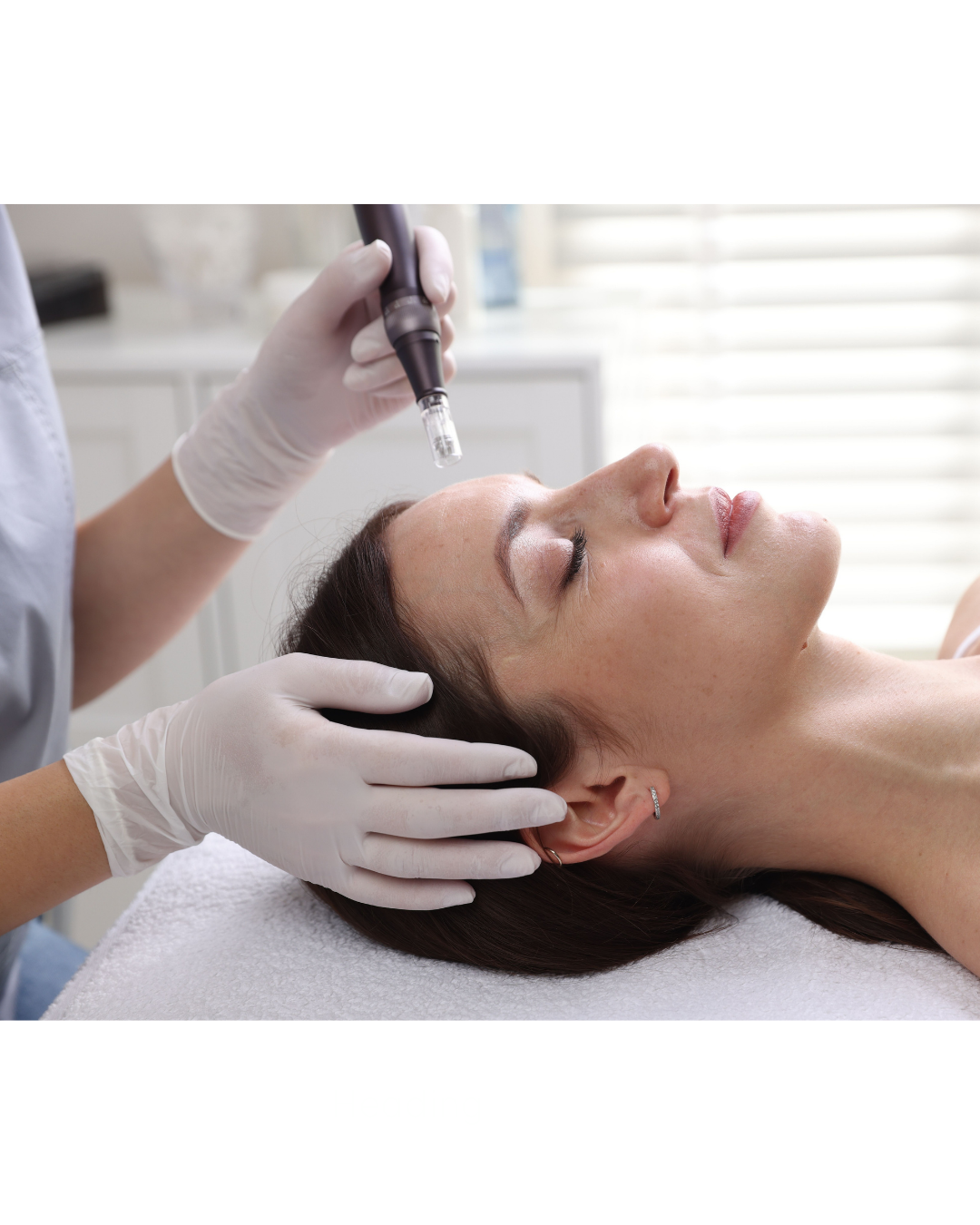
Microneedling for Resistant Pigment & Scar Tissue
Microneedling is not a primary removal method, but it plays an important role in complex cases.
When microneedling is used:
when scar tissue is present in the treatment area
when pigment is encapsulated and not responding evenly
to improve skin texture and support more uniform fading
Scar tissue can trap pigment and prevent it from responding predictably to laser. Microneedling helps improve the skin environment, allowing for better pigment release over time.
A Customized, Multi-Method Approach
No two removal cases are the same. That’s why treatment plans are built in stages, based on how the pigment and skin respond at each step.
A typical approach may include:
laser treatments to break down pigment
transition to saline or glycolic removal for resistant color
microneedling to address scar tissue or uneven response
preparation for correction or re-treatment if desired
This layered approach allows for more complete and controlled results.
Removal vs. Correction: Choosing the Right Path
Some clients want full removal, while others want to prepare the skin for new permanent makeup.
Because we specialize in both removal and correction pathways, we can guide you toward:
complete pigment removal
partial fading for improved re-tattooing
correction of previous work
Clients who choose correction can also continue their journey through our sister studio, Makeup Moxie, once the skin is ready.
Why Our Approach Is Different
Most clinics rely on a single removal method.
We do not.
Our expertise in permanent makeup pigments, combined with advanced training in multiple removal techniques, allows us to:
treat complex pigment cases more effectively
adjust treatment based on real-time pigment response
address challenging colors like yellow and titanium dioxide
safely manage pigment that has shifted or darkened
provide a complete pathway from removal to correction
The Benefit of a Specialized PMU Removal Clinic
Permanent makeup removal requires more than just laser technology — it requires a deep understanding of how pigments behave in the skin.
By combining:
laser technology
saline removal
glycolic removal
microneedling
we are able to offer one of the most comprehensive and informed approaches to cosmetic tattoo removal.
Start with the Right Plan
Whether your goal is full removal or preparing for new permanent makeup, the first step is understanding how your pigment will respond.
Each treatment plan is customized based on:
pigment type
skin condition
previous treatments
long-term goals
Our goal is to provide the most thorough, informed, and effective approach to permanent makeup removal — using every appropriate method available to achieve the best possible result.
Common Saline & Glycolic Removal Questions Answered
Will I scar?
Scarring is uncommon when proper technique and aftercare are followed. Because these methods involve lifting pigment through the skin, it is important to avoid picking, scratching, or disrupting the area during healing. Following aftercare instructions closely significantly reduces the risk of textural changes or scarring.
What is the downtime ?
Downtime for saline and glycolic removal is typically mild to moderate. The treated area may appear red, slightly swollen, and may form light scabbing or dryness as it heals over the first 5–10 days. Most surface healing occurs within about one week, though full skin recovery continues beneath the surface.
How many sessions are required?
The number of sessions varies depending on the pigment type, depth, and how the skin responds to treatment. Saline or glycolic removal is often used after laser treatment to address resistant pigment, and multiple sessions may be needed to achieve the desired level of fading or correction. Treatment is approached gradually and customized for each client.